
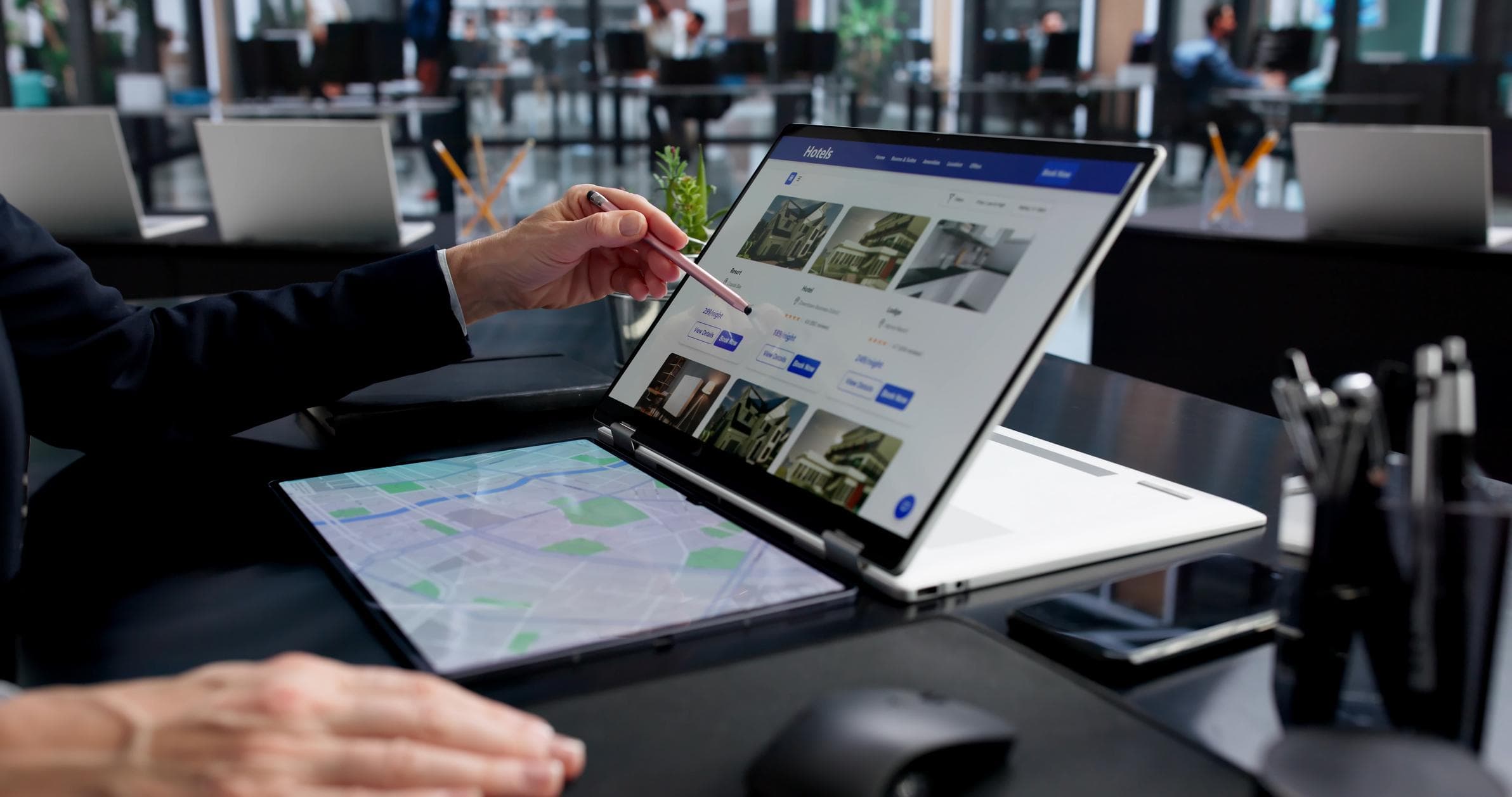
For many travellers, a website is the first interaction they have with a travel company. Before they send an enquiry, ask a question, or book a trip, they are silently evaluating one thing: Can I trust this business?
A travel website has only a few seconds to create confidence. If visitors feel uncertain, confused, or unconvinced, they rarely take the next step. They simply leave and continue searching for another provider.
This is why many travel websites struggle to generate enquiries even when the company behind them offers excellent experiences.
The problem is often not the quality of the tours, destinations, or services. The problem is that the website fails to communicate trust clearly.
For travel businesses operating in competitive markets, a website is not just an online brochure. It is a credibility platform that helps potential customers understand who you are, what you offer, and why they should choose you.
The First Few Seconds Decide Visitor Confidence
When someone visits a travel website, they immediately look for signals that reduce uncertainty and help them decide whether the business feels trustworthy.
Travellers want to know whether the company is legitimate, whether they understand the destination, whether their experiences are authentic, and whether they can trust them with their money and time.
These decisions often happen quickly.
A website with unclear messaging, outdated design, poor photography, or missing trust elements can create hesitation before visitors even explore the details.
A professional travel website does not need to be complicated. It needs to communicate confidence from the first interaction.
- ✓Is this a legitimate travel company?
- ✓Do they understand the destination?
- ✓Are their experiences authentic?
- ✓Can I trust them with my money and time?
- ✓Have other travellers had a positive experience?
Unclear Messaging Creates Confusion
One of the biggest mistakes travel websites make is failing to clearly explain what they offer.
A visitor should immediately understand who the company helps, what type of travel experiences they provide, where they specialise, and why they are different.
Many websites use generic statements such as Creating unforgettable journeys around the world. While this sounds appealing, it does not answer important questions.
A traveller looking for a safari experience, cultural tour, photography expedition, or luxury holiday needs more specific information.
Strong travel websites communicate their speciality clearly.
- ✓Who the company helps
- ✓What type of travel experiences they provide
- ✓Where they specialise
- ✓Why they are different
Example
Common Approach: Creating unforgettable journeys around the world.
- ✓Expert-guided African wildlife experiences
- ✓Private personalised safari journeys
- ✓Photography-focused wildlife tours
Clear positioning helps visitors feel they have found the right travel company.
Poor Visual Presentation Reduces Perceived Value
Travel is an emotional purchase. People are not only buying transportation and accommodation. They are investing in experiences, memories, and personal moments.
Because of this, visual presentation plays a major role in building trust.
Low-quality images, outdated layouts, inconsistent branding, or overcrowded pages can make even an experienced travel company appear less professional.
Professional photography and thoughtful design help visitors imagine themselves experiencing the journey.
- ✓Destination quality
- ✓Experience authenticity
- ✓Professional standards
- ✓Attention to detail
A Strong Travel Website Should Focus On
Good visuals do not replace trust, but they help create the first layer of confidence.
- ✓High-quality destination photography
- ✓Consistent visual branding
- ✓Clean page layouts
- ✓Experience-focused storytelling
Missing Trust Signals Make Visitors Hesitate
Trust is rarely created by one single element. It is built through multiple small signals working together.
Travel websites often lose potential customers because these signals are missing.
Visitors need reassurance that there is a real organisation behind the website and that other travellers have trusted the business before.
Customer Reviews and Testimonials
Travellers want evidence that others have had positive experiences.
- ✓Authentic customer testimonials
- ✓Traveller reviews and stories
- ✓Real experiences from previous customers
Reviews help reduce uncertainty and show that real people have trusted the company before.
About the Business
Many travel companies underestimate the importance of their story.
- ✓Who operates the business
- ✓How much experience they have
- ✓Why customers should trust them
A genuine company story creates a stronger connection with potential travellers.
Clear Contact Information
A professional travel website should make it easy for visitors to contact the business.
- ✓Visible contact details
- ✓Clear communication channels
- ✓Easy enquiry process
Hidden contact details can create doubts about legitimacy.
Certifications and Partnerships
Relevant memberships, certifications, or industry relationships can provide additional reassurance.
- ✓Industry memberships
- ✓Professional partnerships
- ✓Relevant certifications
Trust is created when visitors feel there is a real organisation behind the website.
Weak Travel Package Pages Reduce Enquiries
Travel packages are often the most important pages on a travel website. Unfortunately, many companies provide only basic information.
Many package pages only include package name, price, duration, and a short description.
This information is rarely enough because potential travellers need more confidence before making an enquiry.
The goal is not simply to provide information. The goal is to help visitors feel confident about taking the next step.
- ✓What makes the experience special
- ✓What is included
- ✓Who the experience is suitable for
- ✓What travellers can expect
- ✓Why they should choose this particular company
Strong Travel Package Pages Should Explain
A strong package page combines useful information with emotional storytelling.
- ✓Unique experience benefits
- ✓Clear itinerary details
- ✓Expected traveller experience
- ✓Reasons to trust the provider
Mobile Experience Can Make or Break Trust
A significant number of travellers browse websites from mobile devices. A poor mobile experience can immediately reduce confidence.
If a website loads slowly, images appear incorrectly, or important information is difficult to find, visitors may leave quickly.
A visitor's experience should remain smooth regardless of the device they use.
A Professional Travel Website Should Provide
Mobile experience is now a major part of visitor trust.
- ✓Fast loading speed
- ✓Easy navigation
- ✓Readable content
- ✓Simple enquiry forms
- ✓Mobile-friendly layouts
Common Mobile Experience Problems
- ✓Slow loading speed
- ✓Difficult navigation on small screens
- ✓Unreadable content
- ✓Complicated enquiry forms
- ✓Poor image display
The Importance of Clear Call-to-Actions on Travel Websites
One of the most overlooked elements of travel websites is the call-to-action (CTA).
Many businesses assume that if visitors are interested, they will automatically contact them.
In reality, visitors often need guidance. A clear call-to-action helps users understand what to do next.
A strong CTA should feel natural and helpful, not aggressive.
The purpose is not to pressure visitors into booking immediately. The purpose is to make the next step simple.
A travel website without clear calls-to-action can lose valuable enquiries simply because visitors do not know what action to take.
Building a Travel Website That Creates Confidence
A successful travel website combines several important elements that work together to build credibility.
The strongest websites are not designed only to look attractive. They are designed to answer visitor questions, remove uncertainty, and create confidence.
At ClickIconic, we focus on helping trust-based service businesses build professional digital presences that communicate credibility before the first conversation.
Our approach combines strategic thinking, thoughtful design, and user-focused experiences to help businesses present themselves more effectively online.
- ✓Clear positioning
- ✓Professional visual presentation
- ✓Strong storytelling
- ✓Authentic trust signals
- ✓Simple user experience
- ✓Effective calls-to-action
You can learn more about our approach to building stronger digital experiences here: https://clickiconic.com/approach
Travel Website Trust Checklist
Does Your Website Build Confidence?
- ✓Visitors immediately understand who you are and what you offer
- ✓Your travel speciality is clearly communicated
- ✓Professional photography represents your experiences
- ✓Customer reviews and testimonials are visible
- ✓Business information creates credibility
- ✓Contact details are easy to find
- ✓Navigation guides visitors naturally
- ✓Travel packages provide enough detail
- ✓Mobile experience is fast and easy to use
- ✓Clear calls-to-action guide visitors
Frequently Asked Questions
Key Takeaways
- ✓A travel website is often the first conversation between a business and a potential customer.
- ✓Visitors decide whether they trust a company before they decide whether to enquire.
- ✓Clear messaging helps travellers understand if they have found the right provider.
- ✓Professional visuals increase perceived credibility.
- ✓Trust signals reduce uncertainty and create confidence.
- ✓A simple user journey helps convert visitors into enquiries.
- ✓The strongest travel websites are built around credibility, not just appearance.
Does Your Travel Website Create Enough Confidence?
ClickIconic helps trust-based service businesses build professional digital presences that communicate credibility before the first conversation.
Start a Conversation